Friday, February 14, 2014

Walking around Wendell Common


Wendell sits in the northern section of Massachusetts and just a little west of center. It is north of the Quabbin Reservoir. Wendell was originally settled in 1754. The cemetery was set aside in 1781 and the year the town was incorporated. With a population under 1,000 people it is still a small town. In 1820 the census had the population at 920, in 2000 it was 986. A second center did come about with the railroad coming to the area, however that area is just about gone and Wendell Common remains the true center of the town. Most of the buildings in the Common are Greek Revival. Luke O Leach the local master builder and lumber yard owner was responsible for building most of the structures.

Wendell is a unique survival of 19th century lifestyles, ways of thinking and the buildings to supports its history.

Probably the two most significant buildings in Wendell is the Baptist Church and the Congregational Church. They are just down the street from one another and form the basic sides of the Common District.


The Central Congregational Church was organized in 1774, but this church was not built until 1846. It did have a steeple at one time however it is gone today. There is evidence that this church has 2 steeples. Today I would say the building is in need of major repairs.

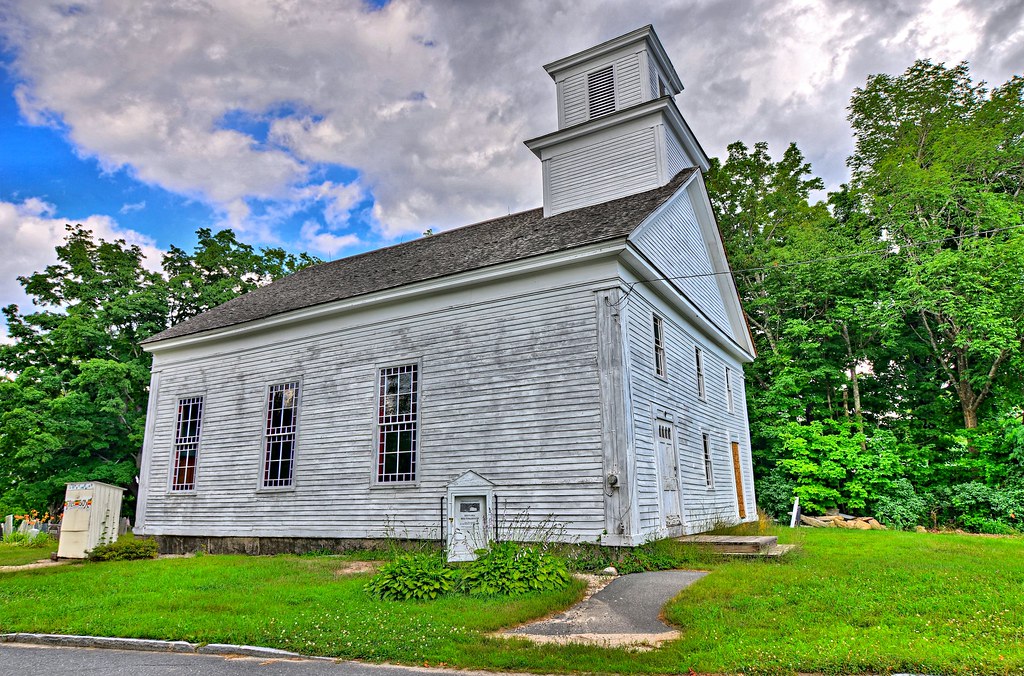
Central Congregational Church

Central Congregational Church

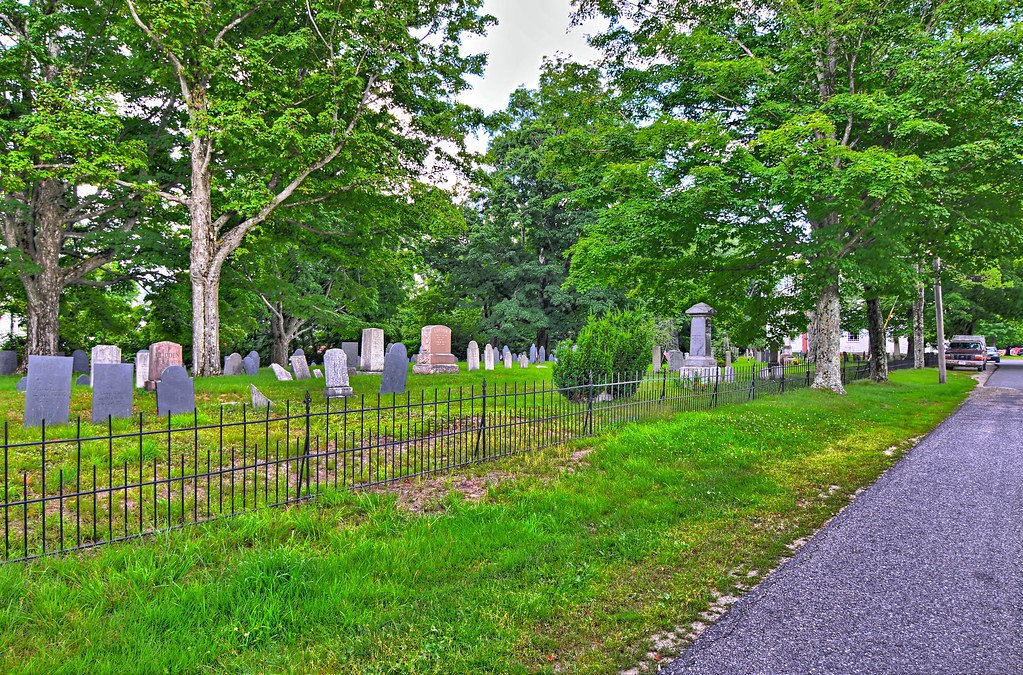
Wendell Center Cemetery


Across the common is the Baptist Church built in 1845. It also served as the Town Hall. The Baptists had a membership of 21 persons and ceased meeting in this building around 1864.  Somewhere around 1919 the building was purchased by the town and used as a Town Hall. This building also had a steeple but is gone today.
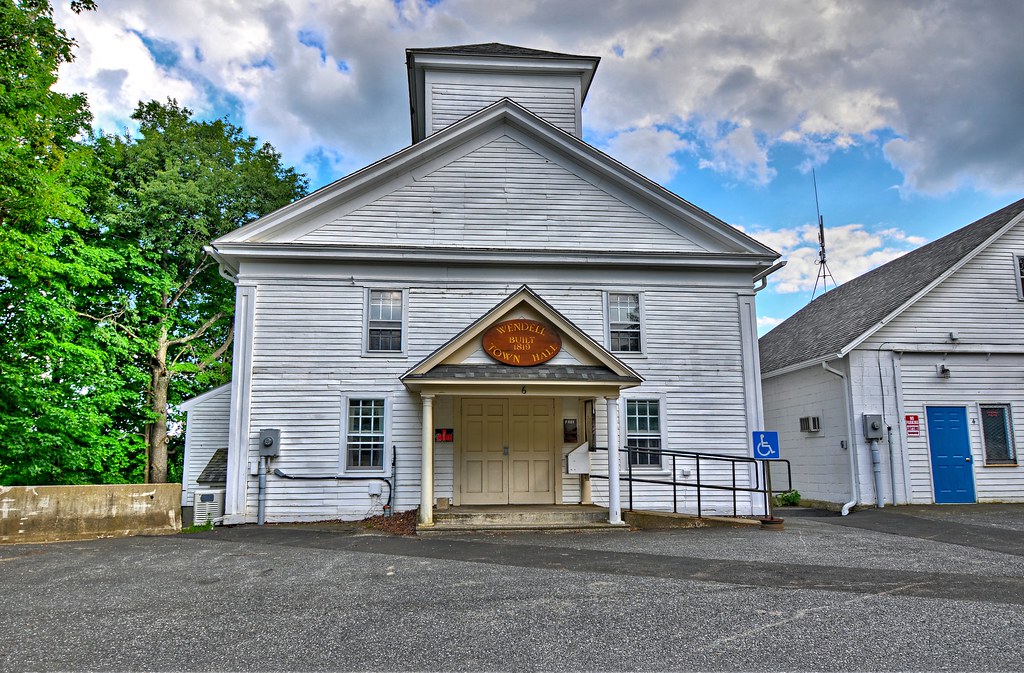
Baptist Church Town Hall Wendell MA

Baptist Church Town Hall Wendell MA


The library society was formed in 1821, but they did not build their first library until 1921. The library is in mint condition.
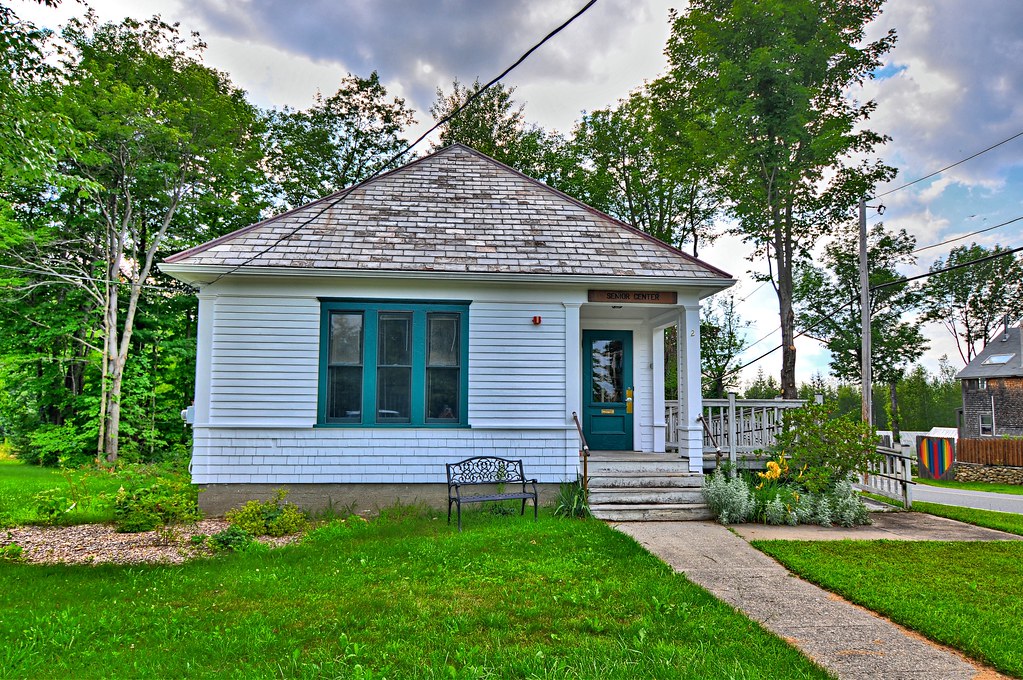
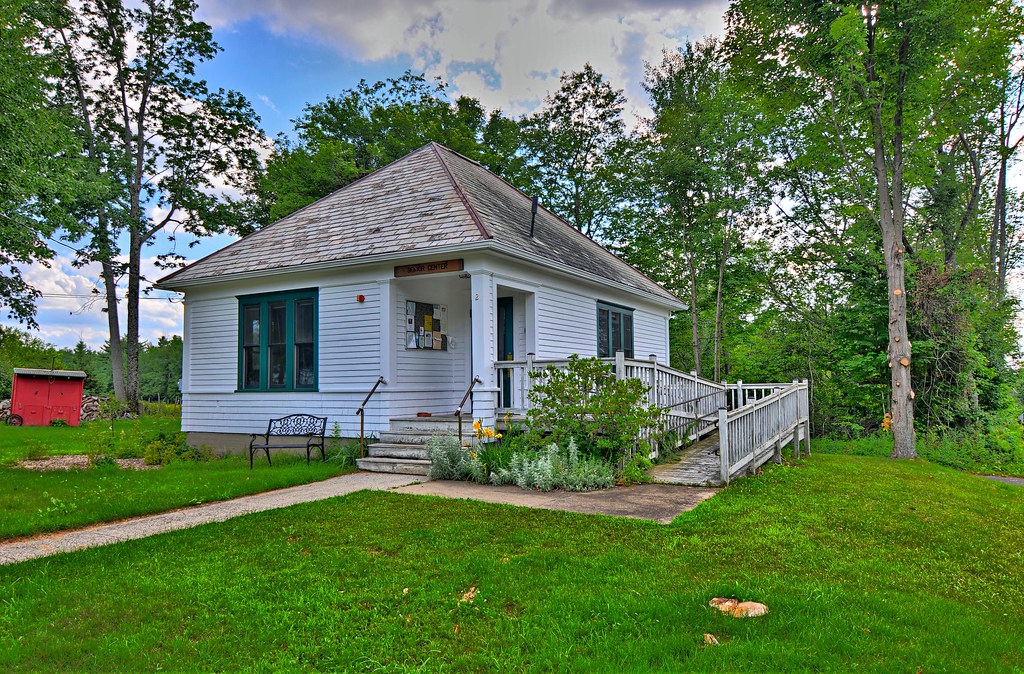
Wendell Free Library

Wendell Free Library

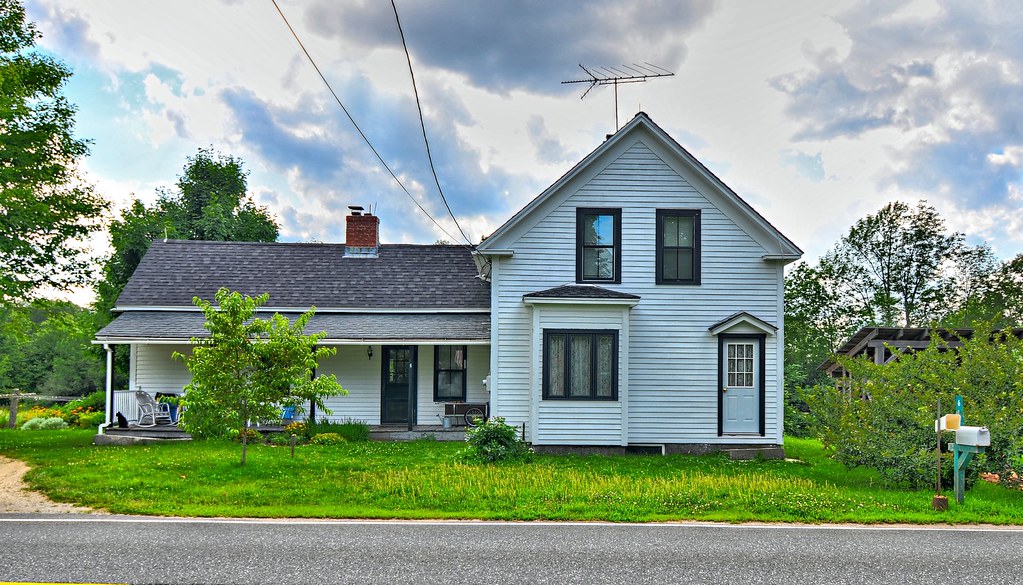
This is the Clark Stebbin House built in 1835. History has it that Stebbins ran a small store out of the house selling ready-made clothing, hats, caps, shoes, boots and other dry goods.

Clark - Stebbins - Lewis House

Clark - Stebbins - Lewis House

You see that section that comes off the green house. That was built around 1820 as a store by Henry Atkinson Green. At one time it was not connected to the house, which is also known as the Summit House.
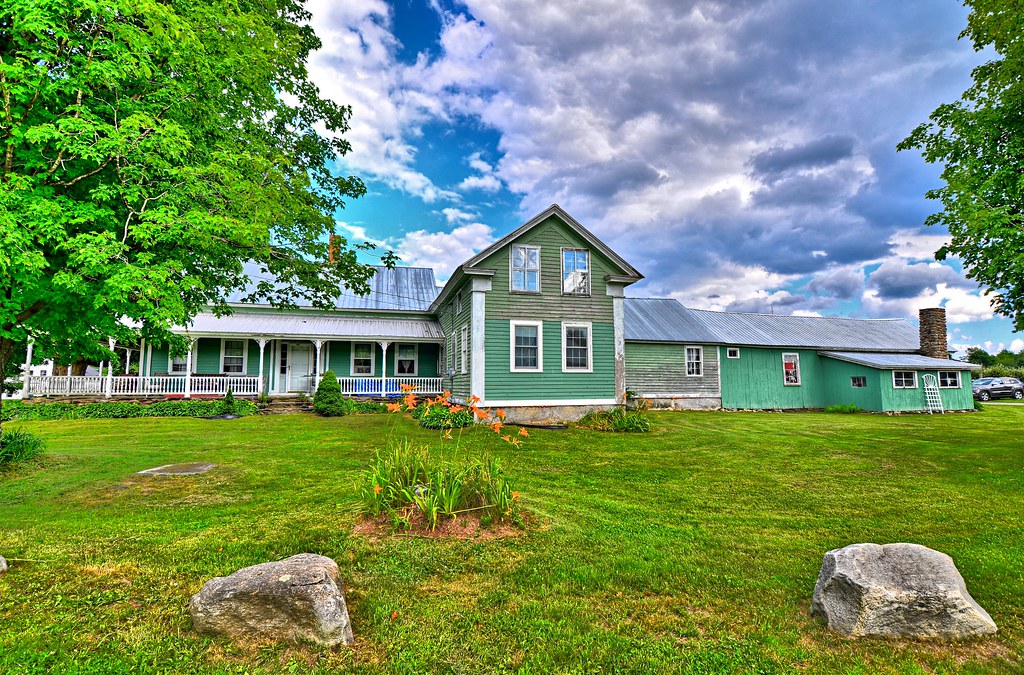
Howe, J. - Gould, Lyman House

The green house referred to above was built in 1845 by James Howe. In 1871 Lyman Gould became the owner and operated the building as a hotel , called the Summit House.

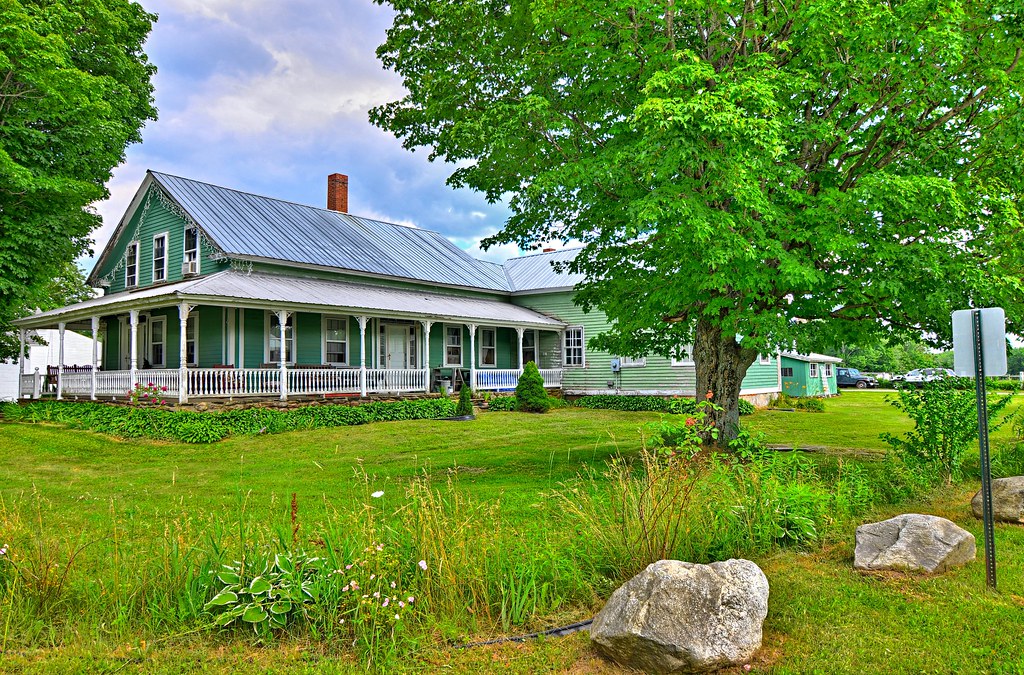
Howe, J. - Gould, Lyman House

Howe, J. - Gould, Lyman House

This house was also a store built between 1858 and 1875. The town center was growing due to the additional commerce generated by the Summit House. Other than it was owned by a person named Forbes, no other information is known about the person. Hmmmm

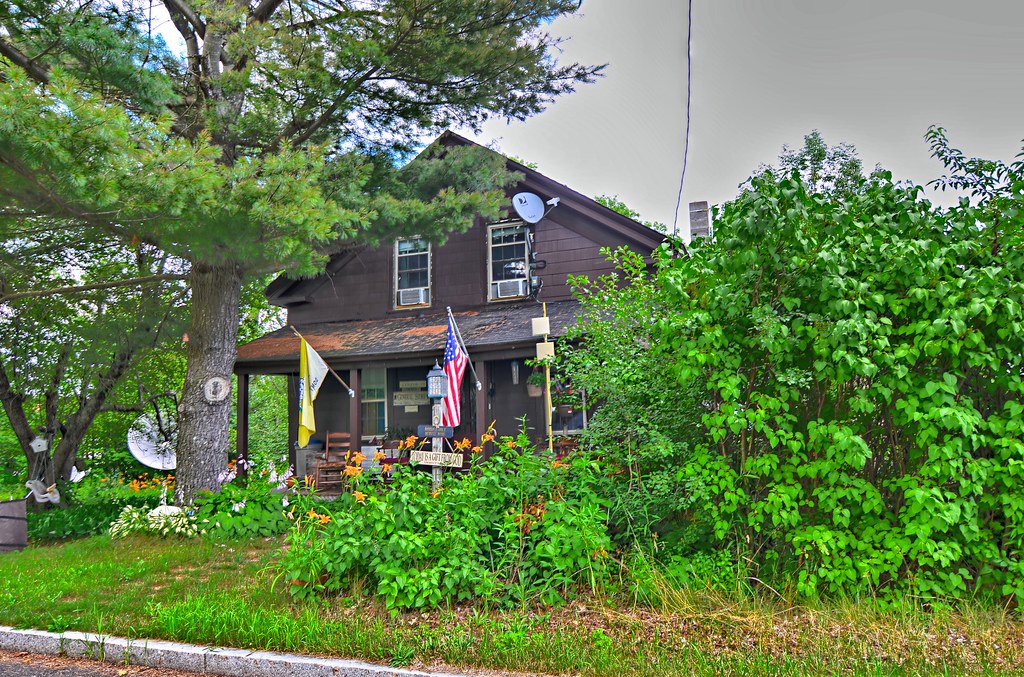
Forbes, J. Building - Wendell Town Common Historic District - Wendell MA

Forbes, J. Building - Wendell Town Common Historic District - Wendell MA

The last house of this tour is the Chittenden / Gates house built in 1843. What is striking about this house is how wide it is across the front but so narrow in depth. First owner was Edwin Gates who was a selectman in 1868. It appears that Otis Chittenden owned the house next and was the town clerk from 1856-1867. Charles Ballou took over from there, who was active in the civic affairs of the town and also owned the Baptist Church for a bit.
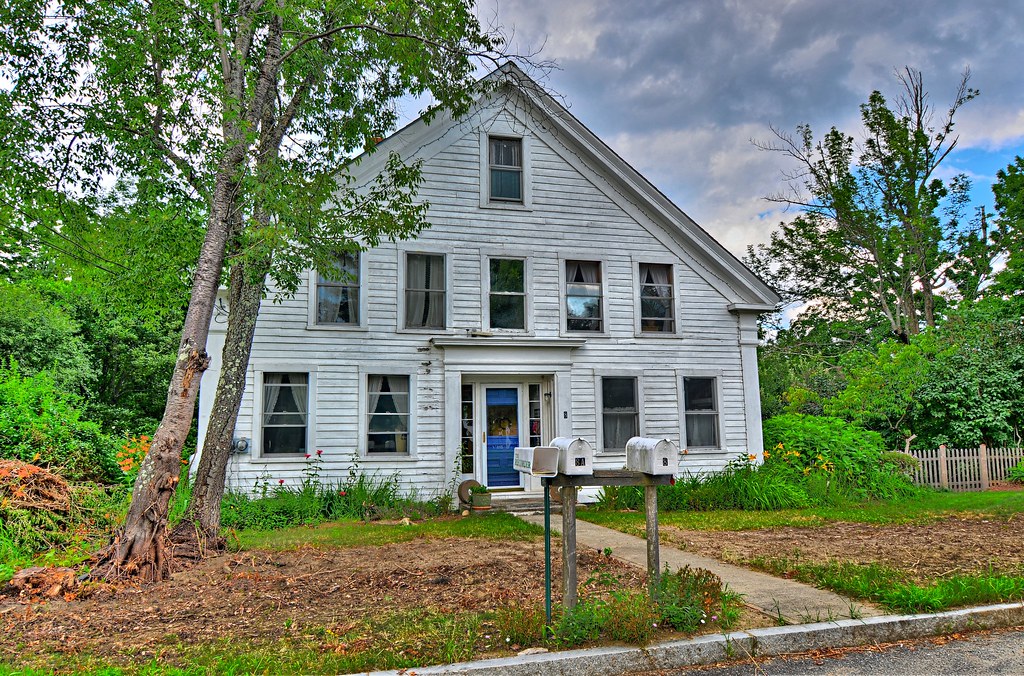
Chittenden, Otis - Gates, Edwin L. House

Chittenden, Otis - Gates, Edwin L. House

This finished up the historic part of the trip. Right down the street is the Wendell Post Office which I grabbed to add to my collection of Post Offices.
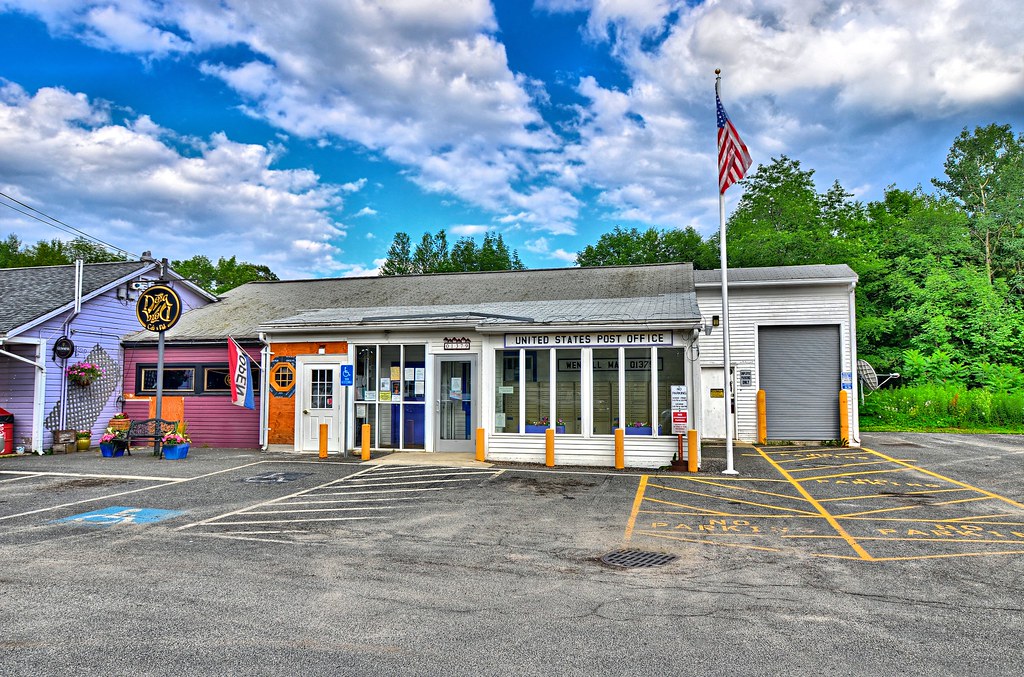
Wendell MA Post Office

Monday, January 20, 2014

Psychoanalyzed at Clark University - A Historic District

Clark University is the second oldest graduate school in the US. It opened in 1889 and until 1902 only offered graduate studies. Founded by donations given by Jonas G Clark. Not bad for a carriage maker, furniture and hardware maker. Actually he made his million in California dealing in miners' supplies. During the 1880's Clark was convinced the country need a university that encouraged dreaming in the form of research and investigation that was not offered at the other US universities. He felt the other schools offered only instructions and no innovation. He hired Granville Stanley Hall as the first president, who toured Europe to model Clark University curriculum and organization. Hall invited a controversial phsyc doctor, named Sigmund Freud, who accepted the speaking engagement. This would be Siggy only appearance in the US. Hall was a known scholar of the time that served as a professor at Antioch, Harvard, William College and John Hopkins. Sounds like he couldn't keep a job to me. As so it started.

Their words not mine

Founded in 1887 as the first all-graduate institution in the country, Clark today is a renowned liberal arts-based research university addressing social and human imperatives on a global scale.

With our small size, urban location, capacity for interdisciplinary learning, and emphasis on effective practice, we cultivate an environment uniquely supportive of students' interests and ambitions.

Students come to Clark with the passion to make a difference, and we honor that passion by engaging them intensely with the world in all its diversity and complexity, enabling them to become more globally aware, focused, and prepared to act.

Sounds pretty impressive to me.

Any way take a walk with me as I visit the campus.

Thru these gates one will come out hopefully a little smarter

Clark University


Clark University

Clark Hall was built in 1877. One would think after Clark went thru all the trouble to establish a different kind of building it would have been a bit more grandiose, however it was built this way, pretty simple, in then event the school failed it could easily be swithched over to industrial use. Clark Hall contain the offices, library, gym and classrooms until the early 20th century and is still the center of the universe at Clark.

Clark University

Neat entrance

Clark University


You should always know if you are going to be late for a class with such a great clock tower.

Clark University


Sigmund Freud sitting out front of Clark Hall.

Clark University

The Academic Building was built 1901 to 1903 and was the University Library. It is English Collegiate Gothic style and was modeled after library of Trinity College in Cambridge, England

Clark University

The Academic Building addition was built in 1910 and expanded on the existing library.

DSC_1137_8_9 ES

Atwood Hall was built in 1938-39 and does not share in the rich historic events of the founder Clark or first president, Hall.

DSC_1143_4_5 ES

The current gymnasium at Clark University, which was built in 1930.

Clark University

Clark University

One of the modern building at Clark University housing the Bioscience lab.

Clark University

The Student Union was built in 1958 and is right by the entrance gates.

Clark University

Right across the street are two great historic churches. These have nothing to do with Clark University other than they share the same neighborhood.

This church is known as the South Baptist Church built in 1896. Originally there was a smaller church on the site, and was replaced with this one. The Baptists occupied this building into the 1970's. It is home to the Spanish Pentecostal congregation.

Iglesia De Dios MB - South Baptist (Historic)

St Peter's construction began in 1884 and was not completed until 1893. Phew !! It was built to support the growing Catholic population in this area of Worcester. It is predominantly Victorian Gothic and is one of Worcester's most ornate church buildings.

St. Peters Catholic Church - Worcester MA

DSC_1233_4_5TM ES

Sunday, January 19, 2014

Gettin Educated at Worcester Academy

Worcester Academy was found in 1834 as the Worcester County Manual Training School by a group of Baptists. Their intent was to establish "an academy that would give the poor boy an opportunity for liberal education". A 60 acre farm was purchased and a Mansion House and chapel was built which was located on Main St. in Worcester. By 1854 the Academy is was in dire financial straits and sold its Main St campus to Eli Thayer, who moved the Academy to the American Antiquarian Society (which is a National Historic Landmark). In 1869 Isaac Davis purchased the Union Hill campus (the place where all the photos were taken) and became the Academy's first president.

On the land that Isaac purchased was a building constructed in 1852 that served as the Worcester Medical College and then became the home of the Ladies' Collegiate Institute and then in 1864 became the Dale General Hospital to care for the wounded Union soldiers. The lady's school was crushed by the panic of 1857.

In 1869 the building was renamed Davis Hall and served as classrooms and a dormitory for Worcester Academy. Unfortunately Davis Hall was razed and replaced by modern day buildings that are not included in the historic district. Although Davis was the first president, Daniel W Abercrombie serving as principal from 1892 to 1918 was probably the most important figure in the school's architectural history. Under his leadership all of the main buildings were built during his tenure.


 As you get edumacated during your readings of WA, you will see the buildings are in wonderful condition and great examples of Victorian Institutional architecture.  For those of you that are interested when we talk about Victorian architecture, we are really referring to the reign of Queen Victoria and the time period when the buildings were erected.


The Academy is right off Providence St and you enter via the main gates. As you can there is some construction going on. Directly in front of you is Walker Hall and immediately to the right is the Abercrombie House.

Gates Worcester Academy

The Abercrombie House is the only wood structure on the campus. It serves as the headmaster house and was built in 1887 for Daniel Abercrombie. It is considered a Victorian House in the Queen Anne style. It is not part of the National Register Historic District.


Abercrombie House

Worcester Academy Abercrombie House

Walker Hall was built in 1889. It serves as classrooms, administrative offices and meeting rooms.

Walker Hall

Walker Hall

Walker Hall - Worcester Academy

The Megaron fits between Walker and Adams Hall. It was built in 1906 and was built to serve as a social activities building for the campus.

Megaron

Adams Hall was built in 1892 and served as the dining hall.

Adams Building

Next up is Dexter Hall also built in 1892. This place was the dormitory.

Dexter Hall

Dexter Hall Doorway


Kingsley Lab built in 1897 supports the science curriculum at Worcester Academy.

Kingsley Lab

The Historic District includes only Walker, Megaron, Adams, Dexter and Kingsley Lab. All of the other buildings are not part of the nomination to the district. That does not make them any less significant of spectacular.

The Warner Memorial was built in 1929 by Harry Warner as a memorial to his son Lewis who attended Worcester Academy. So who is the Harry Warner? Yup the one and only movie guy. I best remember Warner Bros by the logo at the end of Looney Tunes, but they are much bigger than that. The theater is by far the most stunning building on the campus.

Warner Memorial

Last building is Daniels Gym which was built in 1915.

Daniels Gym

The Academy started out as a place for poor kids to get a better education, today it is a vibrant private school serving grades 6 thru 12. Not sure it still fills the vision of the original Baptists who founded the school with tuition starting at 29K and up to 59K, wowwie zowwie

Worcester Academy Map


Friday, January 17, 2014

Shoeing and Booting Around the Harding and Winter Manufacturing District


The Harding & Winter Street Manufacturing District contains brick factory buildings built between 1870 and 1898. With the decline of manufacturing in Worcester in the 1970’s has left many areas fragmented, however this area is pretty well preserved from its heyday.  This area is right next to the Blackstone Canal built in 1828, matter of fact the area where Harding Street is located was filled in to create the street. This area was a major boot and shoe manufacturing area in Worcester. That industry grew to be the 3rd largest industry in Worcester. In 1885 the factories employed just over 2,600 people with a quarter of them working in the Heywood and Walker factories.  The Hill Envelope Company, with its revolutionary envelope machine employed many folks as well.


A lot of you will wonder what is Willie doing. These places are just buildings and not particularly good looking buildings to boot. To me it is about the history and I find thru the pictures and walking around they tell a story of the past. I can see those 2300 workers smoking cigarettes, waiting to get thru the door, holding their lunches  to begin the day of work. 

JH & GM Walker Shoe Company


The JH and GM Walker Shoe Factory was built in 1870 and enlarged in 1879 and then again in 1895. The company was formed in 1862 when the two Walker brothers left their father’s firm. They became so successful, they opened a tannery in Chicago as well. They were known for their heavy boots which where very popular in the American West. The company served as a training ground for future entrepreneurs  for at least 23 independent shoemakers. In 1888 the Walker Company was bought out and continued to make the Walker Boot in a different location.  Today it appears this building lies dormant and unoccupied.

JH & GM Walker Shoe Company

JH & GM Walker Shoe Company


 The Watchusett building was built in 1879 and also enlarged multiple times. Samuel R Heywood was its original owner, who was also a shoe and boot manufacturer. They made a finer grade of shoes and by 1899 dropped making boots and concentrated on shoes.  The firm remained in the family which they continued making shoes into 1940, when they ceased manufacturing operations. They did continue to sell shoes until 1961.

Wachusett Building

Wachusett Building


 The Hill Envelope Company building  was built in 1890. It all began with Dr Russell Hawes who invented an envelope folding machine in 1846. This machine was the first practical envelope folding machine in the US. Hawes was a physician. One has to wonder where his mind was when taking care of his patients.  In 1866 Wade H Hill entered in business with this guy Devoe who was a decedent of the Hawes family. By 1869 Hill took over the entire business and renamed it the WH Hill Co. They were serveral other envelope making companies in Worcester which were all merged into one company which form the US Envelope Company.


Today this place is place to come home to at night after working all day.

JH & GM Walker Shoe Company

Hill Envelope Company

 The Worcester Stained Glass Works was built in 1898. This was founded by David Welch who received his training in Boston. He died in 1910 and the firm continued under Edgar P Welch and William Massey.  Among their more notable works was the glass for St Anne’s and Park Street Congregational Churches.


Today the building houses Bocado, an authentic Spanish Restaurant and Wine Bar.  Based on Yelp and Trip Advisor they get pretty good ratings.

Worcester Stained Glass Works

This is a view looking down Harding St. which once was occupied by the Blackstone Canal. The Blackstone Canal was built in 1828 that connected Providence, RI to Worcester, MA. This provided Worcester a connection with the Atlantic Ocean via Providence. It was replaced with the coming of the railroad, but has a rich history all to itself.

Blackstone Canal Harding St

This place has absolutely nothing to do with this historic district, other than it is on Harding St. I just like the ghost sign on the side of the building.

Harding Street Ghost Sign

Another building on Harding St that is not part of the historic district is the Muslin Underwear Company. That is its historic name because they were the first tenants in the building in 1910. By 1912 Pobolinski & Sons were the tenants and their name is on the building. By 1922 Carling Blower Company occupied the place and then Victor Washing Fluid in 1942. Since 1956 it has been used for storage and light manufacturing.


What is Muslin Underwear I asked myself. To the internet and found out muslin is a type of cotton cloth used in luxurious garments. It was thought to have originated in Bengal . Not having a clue where Bengal was I had to look that up. Right by India, hence the Bengal Tiger, but they didn't wear muslin. Today Bengal is Bangladesh and West Bengal.

Worcester Muslin Underwear Company

That completes this tour. Heres a general overhead map view of the area.

Harding Winter St